
How Is Rosé Wine Made?
Most rosé wine is made from red or black grapes whose juice spends only a short time in contact with the skins. The colour lives in the skins, not the juice, so the winemaker presses the grapes straight away (direct pressing) or leaves the juice on the skins for a few hours (short maceration), then removes them and ferments the pale juice much like a white wine. A third method, saignée, bleeds off part of the juice from a red-wine tank. In the EU, blending red and white wine to make still rosé is generally not allowed; rosé Champagne is the best-known exception.
Why Is Rosé Wine Pink?
The juice of almost all red and black grapes is clear. Colour comes from pigments called anthocyanins, found in the skins. The longer the juice touches the skins, the more colour — and tannin and flavour — it takes on.
Red wine ferments for days or weeks with its skins. White wine is pressed away from them. Rosé sits in between: it is made from coloured grapes but with only brief skin contact.
Grape variety, ripeness, temperature and pressing pressure all affect the final shade, from pale onion-skin to deep cherry pink.
The Three Main Ways to Make Rosé
Most rosé is made by one of three methods. Some producers combine them.
| Method | Skin contact | Typical result |
|---|---|---|
| Direct pressing | Minutes, during pressing | Very pale, delicate, fresh |
| Short maceration | A few hours, sometimes up to a day or two | Deeper colour, more fruit and body |
| Saignée | Juice bled off early from a red-wine tank | Often deeper, fuller rosé |
Method One — Direct Pressing
The whole grapes or crushed fruit go straight into the press. The juice picks up a little colour while it is pressed, then runs off the skins.
Direct pressing tends to give pale, light, delicate rosés with fresh fruit and floral aromas. It is widely used for the pale, dry style associated with the Mediterranean. Gentle pressing and cool fruit help keep colour and bitterness low.
Method Two — Short Maceration
The crushed grapes and their juice are left together in a tank for a short time — often a few hours, sometimes longer. The winemaker tastes and watches the colour, then separates the juice from the skins and ferments it.
Longer contact usually means a deeper colour, more red-fruit character and a little more structure. The exact time varies by grape, ripeness and the producer's style.
Method Three — Saignée
Saignée means “bleeding” in French. When making red wine, a winemaker draws off part of the juice from the tank shortly after the grapes are crushed. That juice, lightly coloured by its short contact, is fermented separately as rosé.
The remaining red wine has a higher ratio of skins to juice. Saignée rosé is often deeper and fuller. Some producers see it as a by-product of red winemaking; others make careful, intentional saignée rosés.
Can Rosé Be Made by Blending Red and White Wine?
In the European Union, mixing a red wine with a white wine to produce still rosé is generally not permitted. EU wine rules restrict this practice, with limited exceptions allowed by specific rules.
The best-known exception is rosé Champagne, where adding a small proportion of still red wine to white wine before the second fermentation is an established, permitted method. Rules differ outside the EU, so blended rosés exist in some other countries.
Note that blending different rosé wines, or different grape varieties, is a separate and common practice.
Rosé Winemaking From Grape to Bottle
Every producer works differently, but a typical rosé follows these steps:
- 01
Harvest
Grapes are picked when they have the balance of sugar and acidity the producer wants. Many rosé producers harvest early in the morning or at night to keep the fruit cool.
- 02
Sorting
Damaged or unripe bunches may be removed so only healthy fruit goes to the press.
- 03
Pressing or maceration
The grapes are pressed at once, or left on their skins for a few hours, depending on the method and the colour wanted.
- 04
Settling
The juice rests, often chilled, so solids sink and clearer juice can be drawn off.
- 05
Fermentation
Yeast turns the grape sugar into alcohol. Rosé is usually fermented at cool temperatures, as for white wine, to keep fresh fruit aromas.
- 06
Ageing
Most rosé rests a few months in stainless steel or concrete, sometimes on fine lees for texture. A few styles see oak.
- 07
Stabilisation and filtration
The wine is clarified and stabilised so it stays clear and stable in bottle; filtration may be light or more thorough.
- 08
Bottling
The finished wine is bottled, usually within the year after harvest, to be enjoyed young.
Which Grapes Are Used to Make Rosé?
Rosé can be made from almost any red or black grape. Common choices around the Mediterranean include Grenache, Cinsault, Syrah, Mourvèdre and Carignan. Elsewhere, Pinot Noir, Sangiovese, Tempranillo, Cabernet Franc and Merlot are often used. Some regions also allow a share of white grapes in the blend.
Grenache is especially popular: it gives generous red-fruit flavour with relatively little colour, which suits pale rosé.
Learn more about the grape in our Grenache rosé guide.
How Rosé Winemaking Differs From Red and White
| White | Rosé | Red | |
|---|---|---|---|
| Grapes | Mostly white | Red or black | Red or black |
| Skin contact | Little or none | Short | Days to weeks |
| Fermentation | Juice only, usually cool | Juice only, usually cool | With skins, usually warmer |
| Tannin | Very low | Low | Moderate to high |
In practice, most rosé is made like a white wine from red grapes.
Does the Method Decide Whether Rosé Is Dry or Sweet?
No. Colour and sweetness are separate. Sweetness depends on how much grape sugar remains after fermentation (residual sugar). A pale direct-press rosé can be off-dry, and a deep saignée rosé can be fully dry. Colour does not indicate quality either.
Read more in Is Rosé Wine Dry or Sweet?.
How Is Rosé Wine Aged?
Most rosé is aged briefly, in stainless steel or concrete, to keep its freshness and fruit. Some producers leave the wine on its fine lees — spent yeast — for a few months, which can add roundness and texture. A minority age rosé in oak for a richer style.
Most rosé is made to be enjoyed young, usually within a few years of the vintage.
For storage advice, see How Long Does Rosé Wine Last?.
What Affects the Colour and Taste of Rosé?
- Grape variety and ripeness
- Climate and vineyard site
- Harvest timing and fruit temperature
- Length of skin contact and pressing pressure
- Fermentation temperature and yeast
- Time on lees and type of vessel
- Filtration and the time between bottling and drinking
Maison Cala
How Maison Cala Rosé Is Made
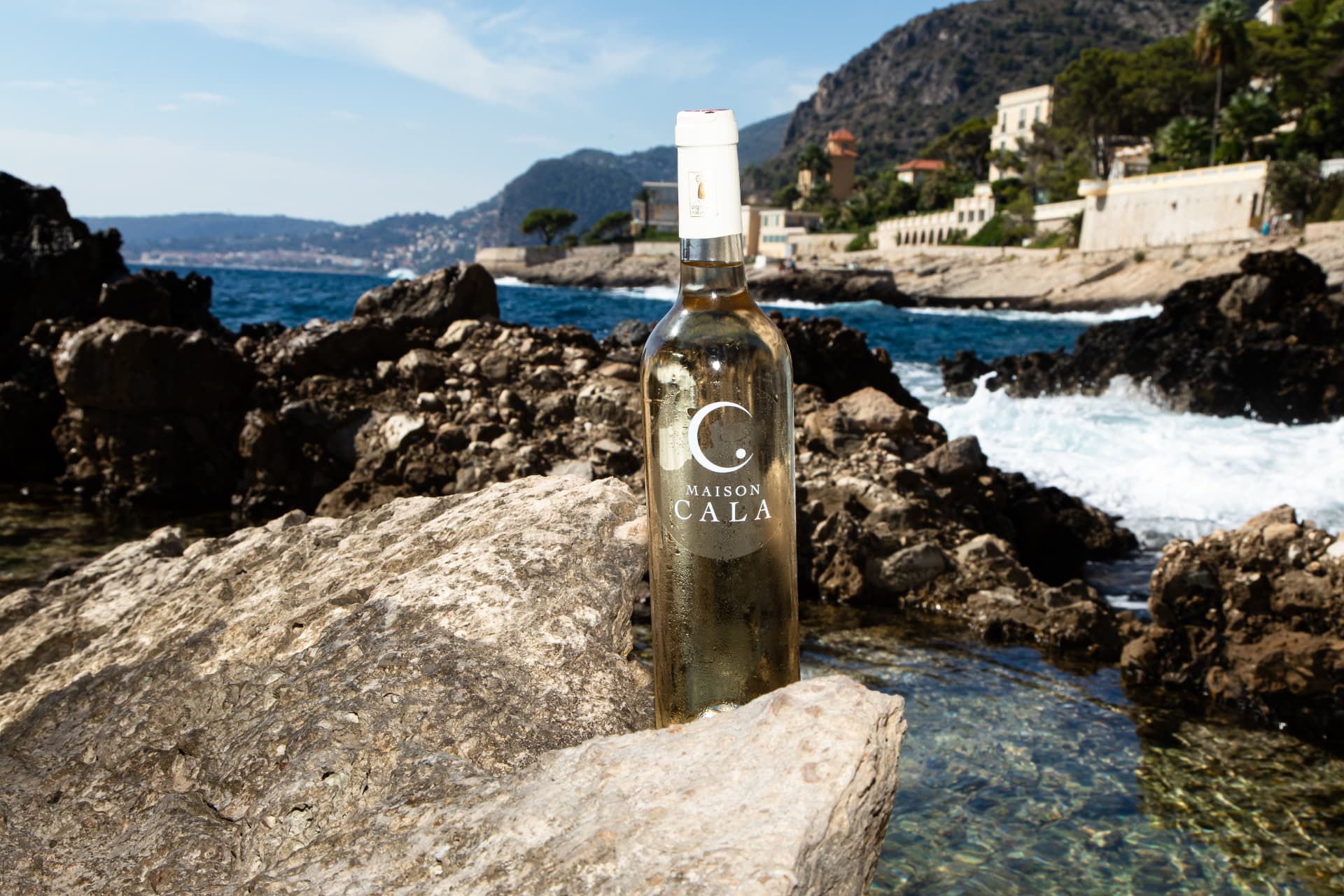
Maison Cala Rosé 2024 is a Grenache rosé produced near Carcassonne, in Southern France. It is not a Provence wine. According to its published production description, it follows the direct-pressing approach described above:
- Grenache grapes harvested at night
- Direct pressing, without maceration
- Juice selection before fermentation
- Temperature-controlled fermentation at 15°C
- Four months on fine lees
- Light filtration before bottling
The grapes come from Domaine de la Périnade in Pezens, an estate whose history dates back to 1830, with around 50 hectares of vines and HVE (High Environmental Value) certification since 2022. Maison Cala, founded in 2026, does not own the estate.
For every step in detail, see Maison Cala winemaking and our terroir. Learn what HVE certification means.
39 € per bottle
Five Common Myths About Making Rosé
Myth 1
“Rosé is red and white wine mixed together.”
Reality: In the EU, still rosé is generally not made that way.
Myth 2
“Rosé comes from pink grapes.”
Reality: Most rosé comes from red or black grapes with brief skin contact.
Myth 3
“Paler rosé is better rosé.”
Reality: Colour reflects style and method, not quality.
Myth 4
“Deep pink rosé is sweet.”
Reality: Sweetness depends on residual sugar, not colour.
Myth 5
“Saignée is always a by-product.”
Reality: Some producers make intentional, careful saignée rosés.
Frequently Asked Questions About Rosé Winemaking
- How is rosé wine made?
- Most rosé wine is made from red or black grapes whose juice spends only a short time in contact with the skins. The colour lives in the skins, not the juice, so the winemaker presses the grapes straight away (direct pressing) or leaves the juice on the skins for a few hours (short maceration), then removes them and ferments the pale juice much like a white wine. A third method, saignée, bleeds off part of the juice from a red-wine tank. In the EU, blending red and white wine to make still rosé is generally not allowed; rosé Champagne is the best-known exception.
- Is rosé made from red grapes?
- Usually, yes. Most rosé is made from red or black grapes with only short skin contact. Some regions allow a share of white grapes too.
- How does rosé get its colour?
- From pigments in the grape skins. The juice touches the skins briefly, during pressing or a short maceration, then is separated.
- What is direct pressing?
- Pressing the grapes immediately so the juice picks up only a little colour. It usually gives pale, delicate rosé.
- What is short maceration?
- Leaving the juice on the skins for a few hours before separating it, for more colour and fruit.
- What is saignée rosé?
- Rosé made from juice bled off a red-wine tank early in maceration, then fermented separately.
- Can you make rosé by mixing red and white wine?
- In the EU this is generally not allowed for still rosé. Rosé Champagne is the main permitted exception.
- How long does it take to make rosé?
- Many rosés are bottled within a few months of harvest, usually before the following spring or summer.
- Is rosé aged in oak?
- Most is not; it is usually aged in stainless steel or concrete. Some producers use oak for a richer style.
- Is pale rosé better?
- Not necessarily. Paleness reflects method and style, not quality.
- How is Maison Cala Rosé made?
- According to its published production description: night harvest, direct pressing without maceration, juice selection, fermentation at 15°C, four months on fine lees and light filtration before bottling.
- Is Maison Cala a Provence rosé?
- No. Maison Cala is a Grenache rosé produced near Carcassonne, in Southern France.
Explore More Rosé Wine Guides
Sources
Please enjoy responsibly. Sale of alcohol is reserved for adults of legal drinking age.